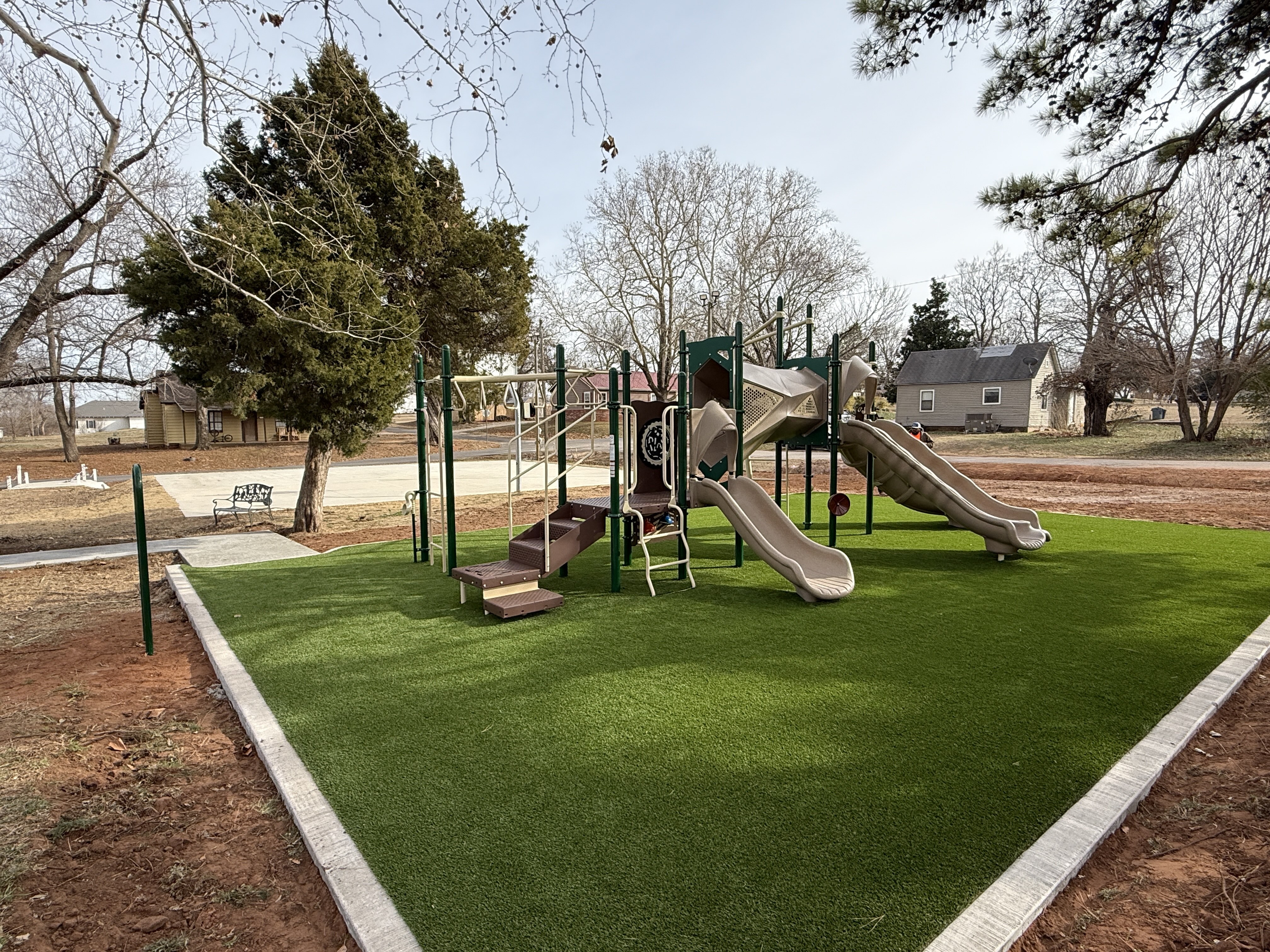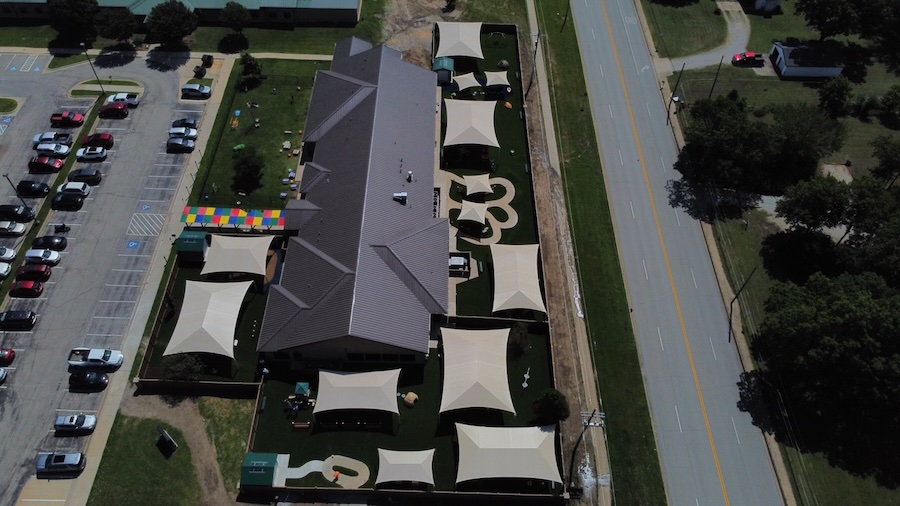
A BLANK SLATE
Projects like this are always tough to put into words—because they start with nothing.
No existing layout, no constraints to work around visually—just an open space and the opportunity to create something from the ground up. At the same time, there’s often more going on beneath the surface than meets the eye, which becomes part of the challenge early on.
DESIGNING THE ENVIRONMENT
With the Seneca-Cayuga Nation, the goal wasn’t just to place equipment. It was to shape an environment that feels intentional and connected to the Tribe.
That means thinking beyond individual pieces and focusing on how the entire space comes together—how it feels, how it flows, and how it reflects both the people and the place.
THE DETAILS THAT SHAPE IT
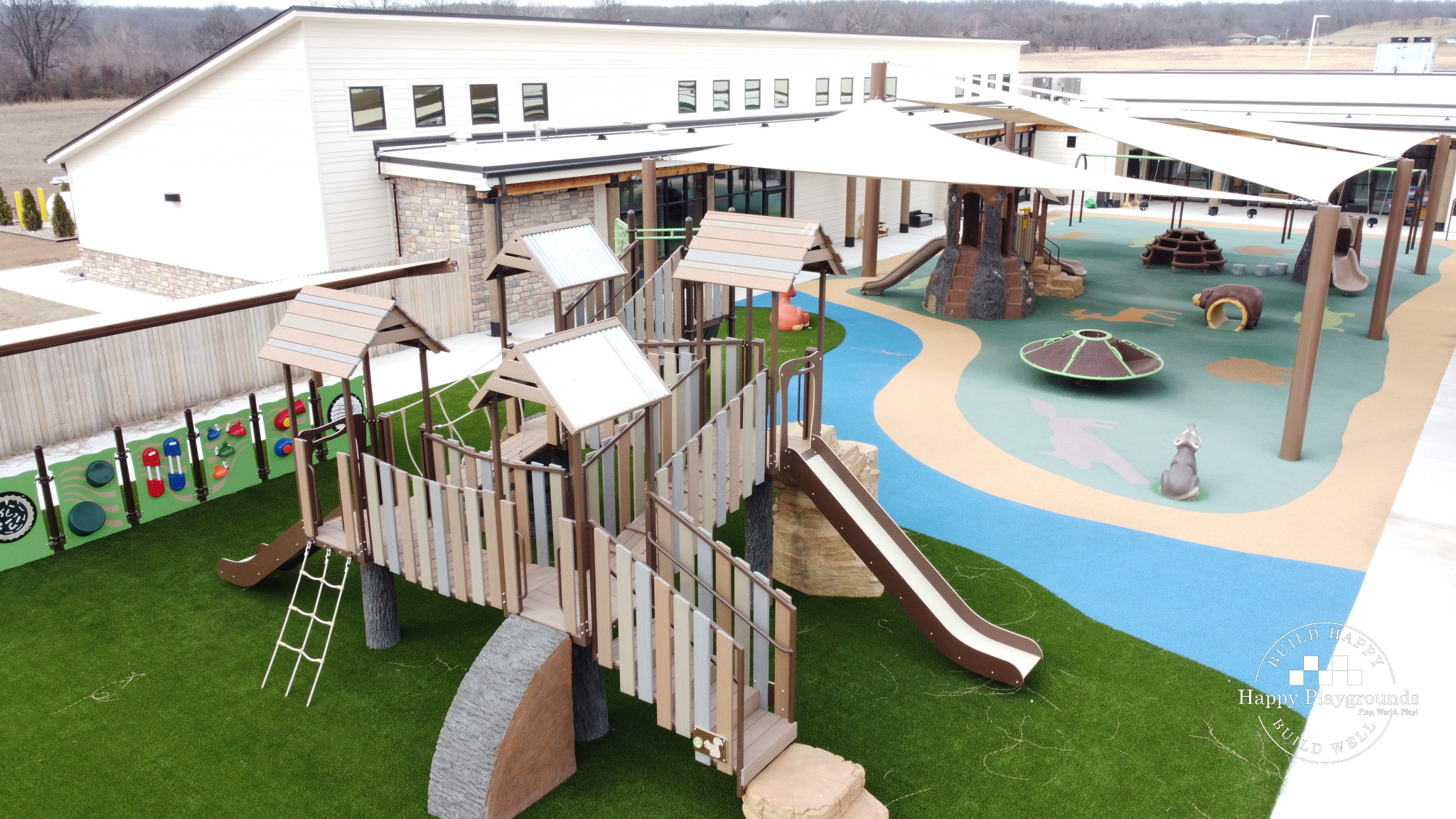
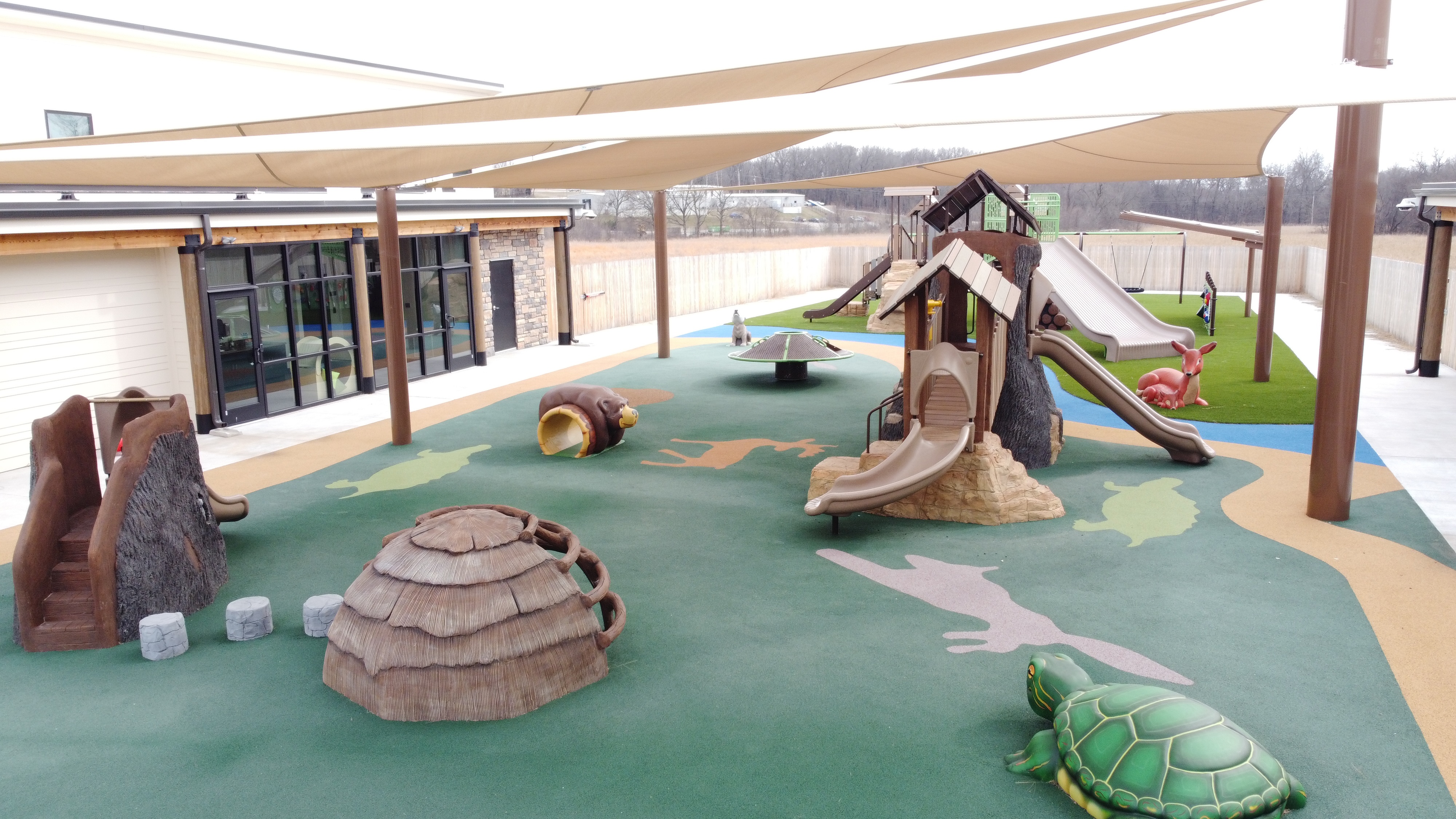
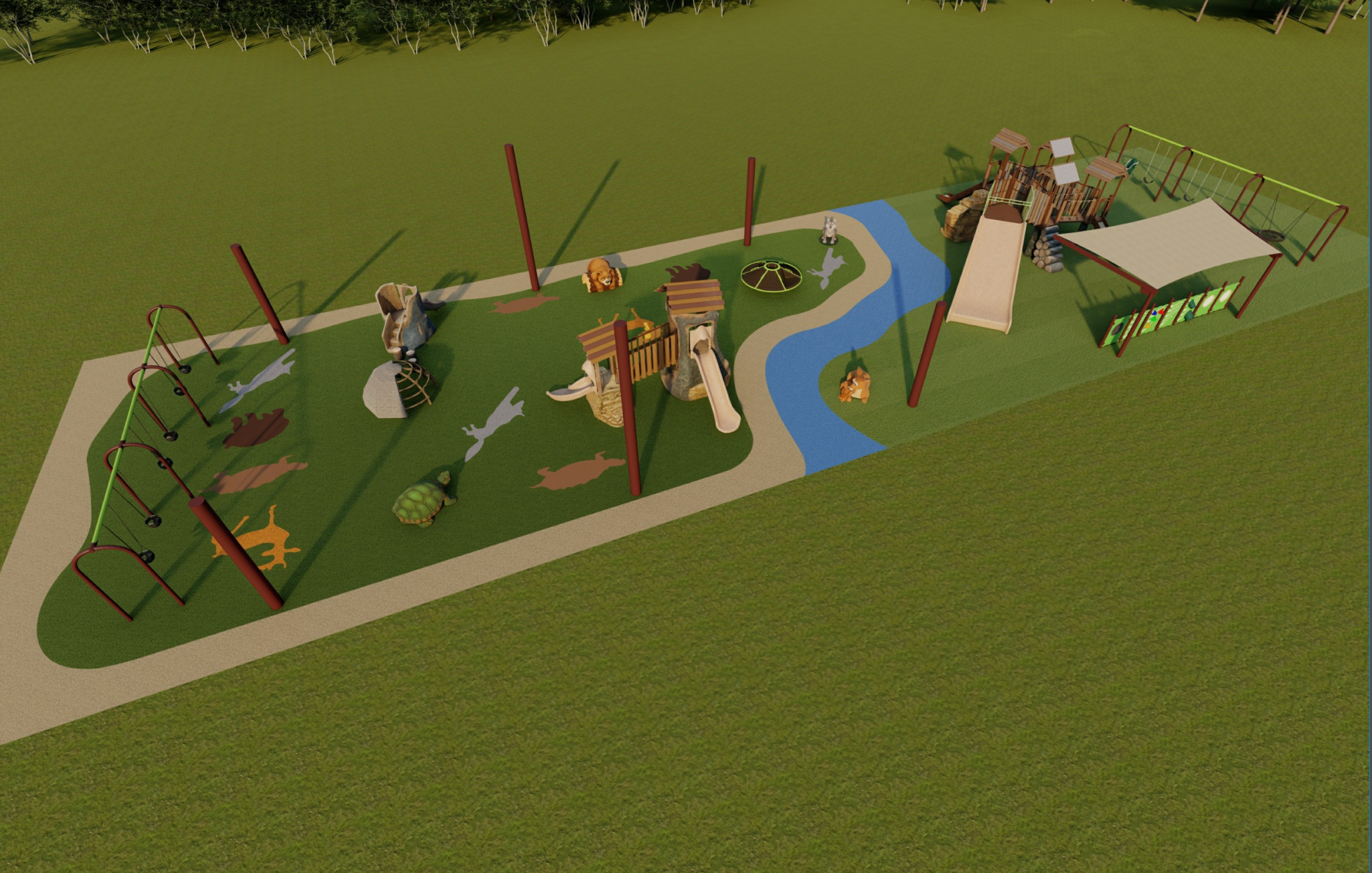
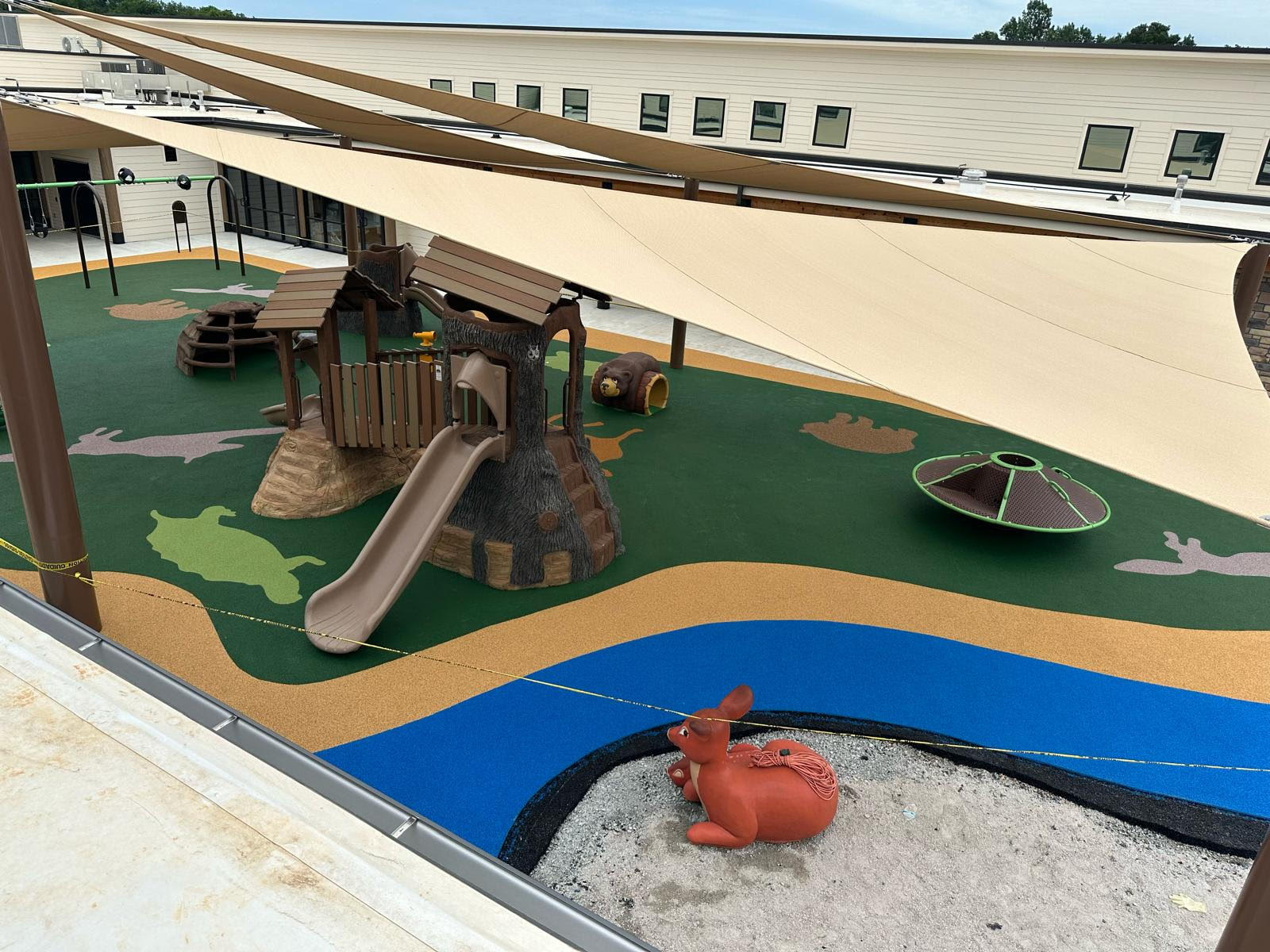
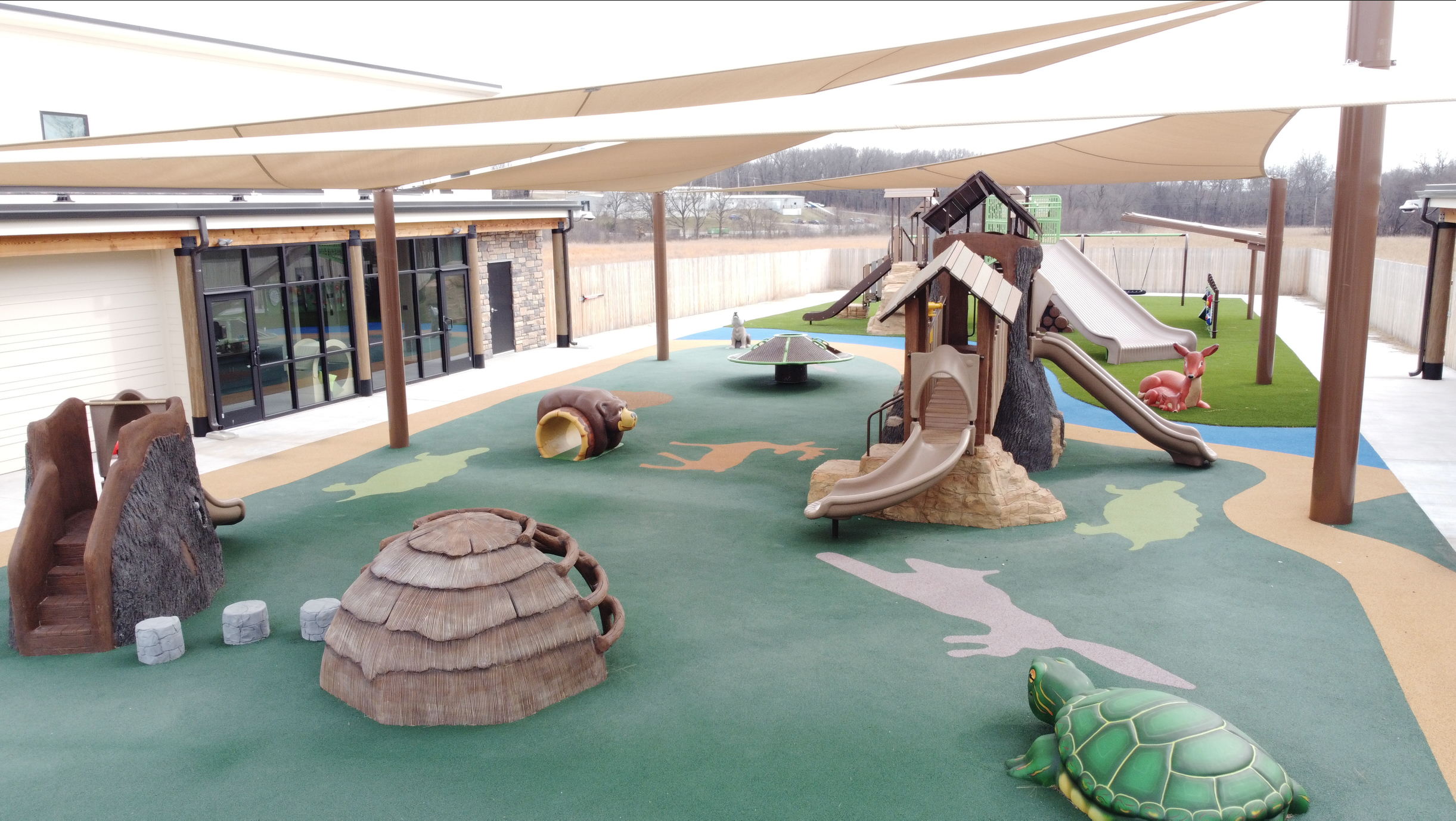
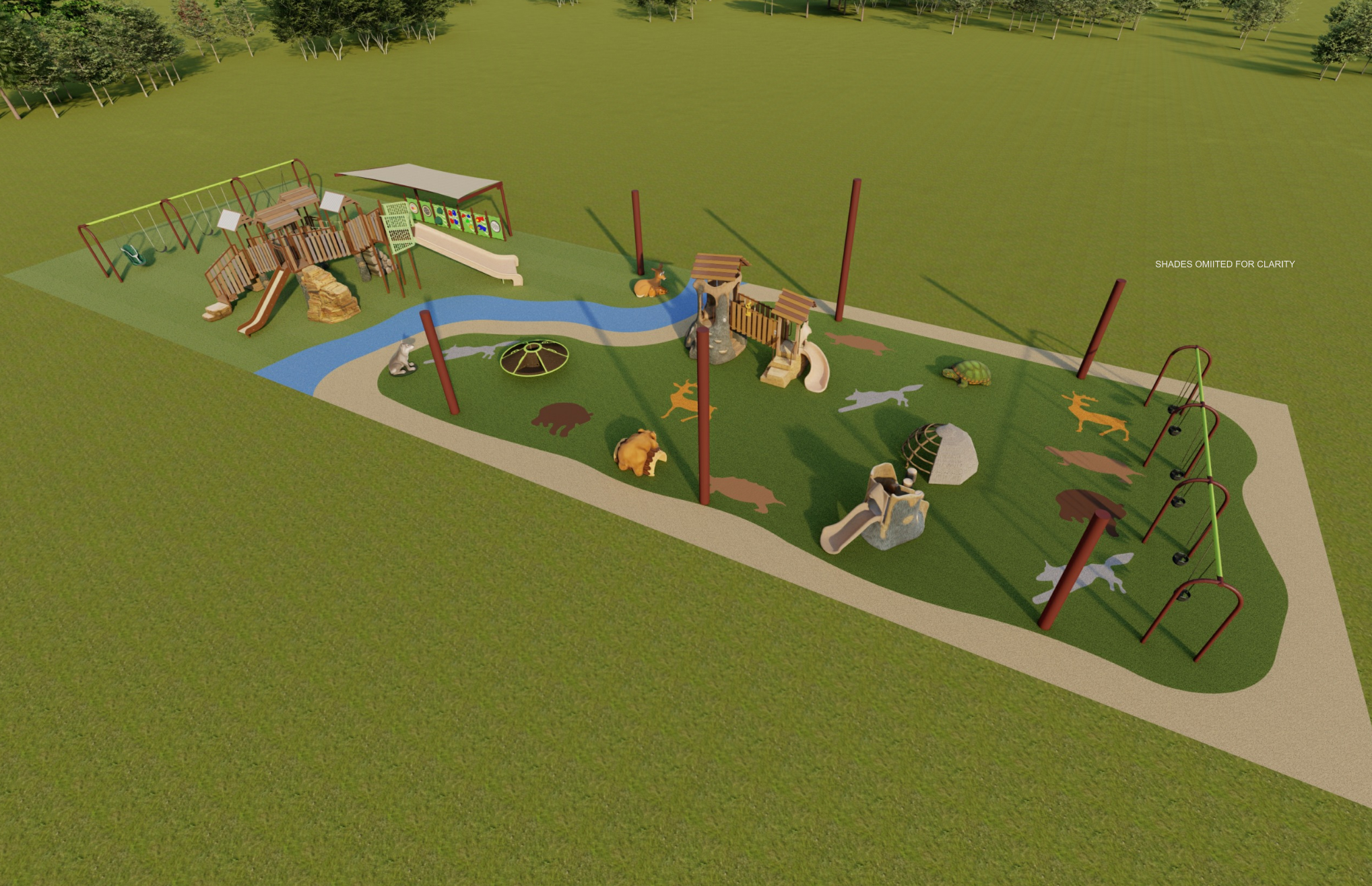
The design really came together through the details. A winding “river” was built into the surfacing, helping guide movement through the space while tying everything together visually.
Clan animals, each holding meaning to the Tribe, were thoughtfully incorporated throughout—not just as features, but as part of the story. These elements give the playground identity and create moments that kids and families can connect with in a deeper way.
MOVEMENT & EXPERIENCE
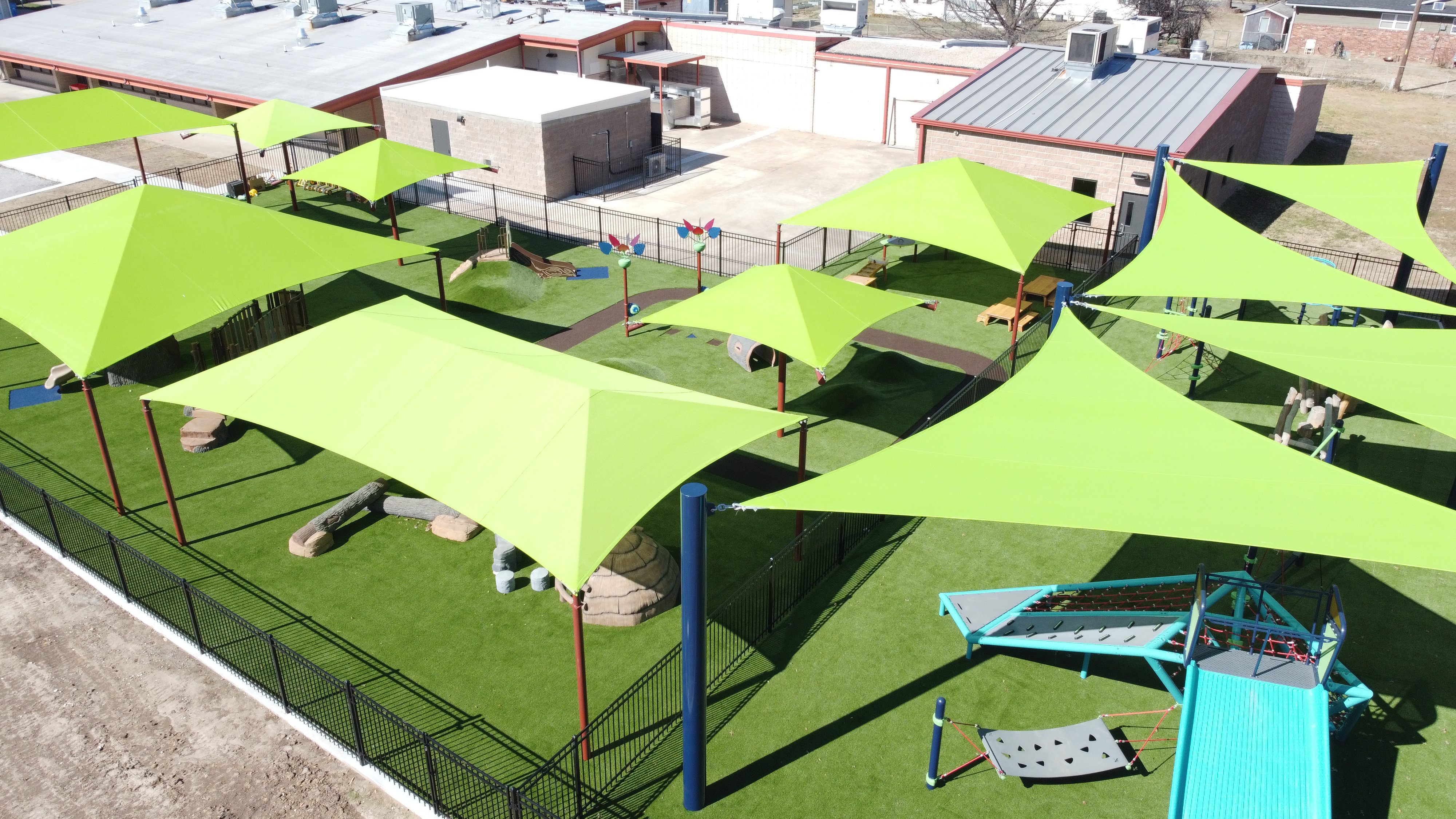
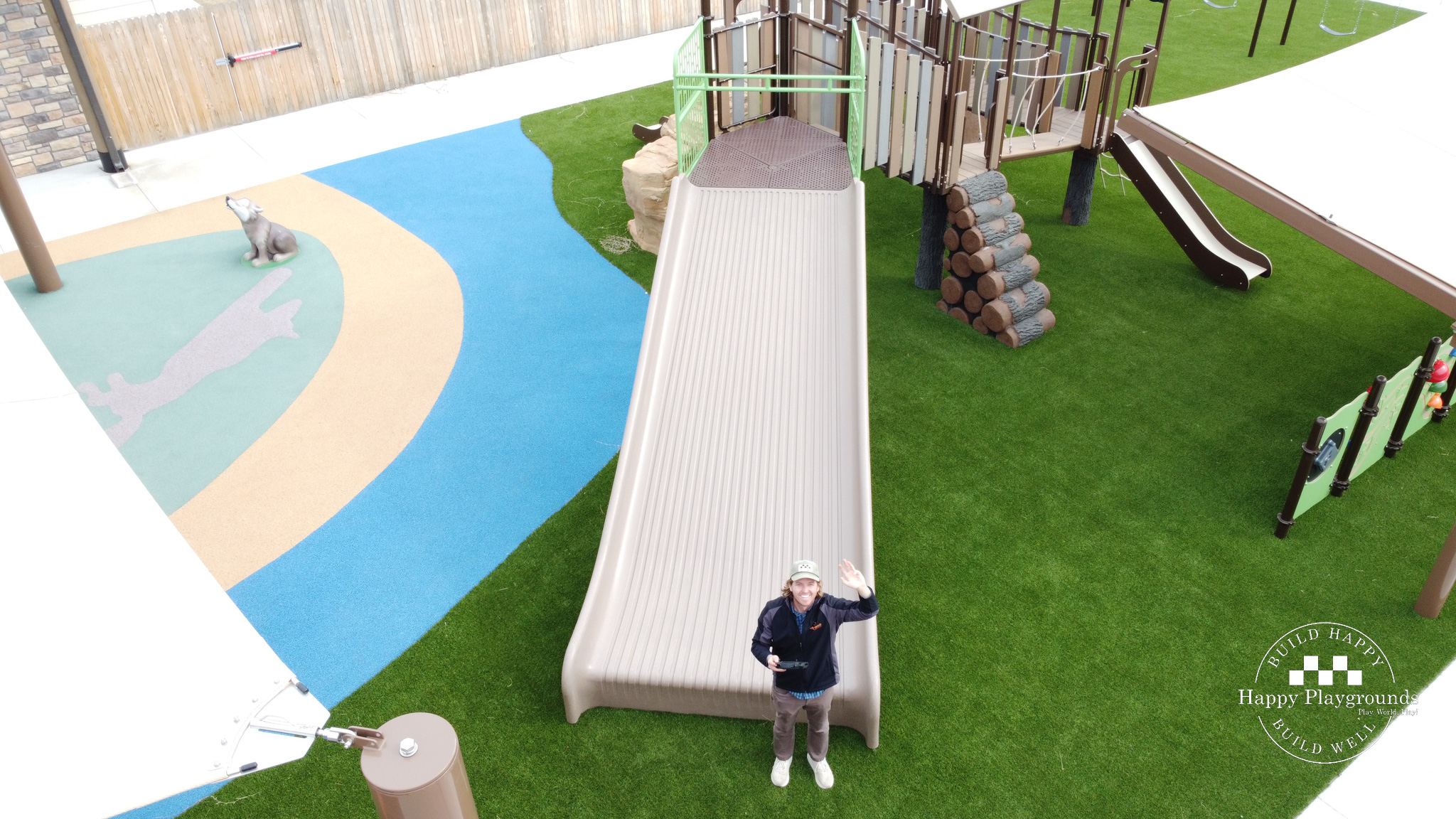
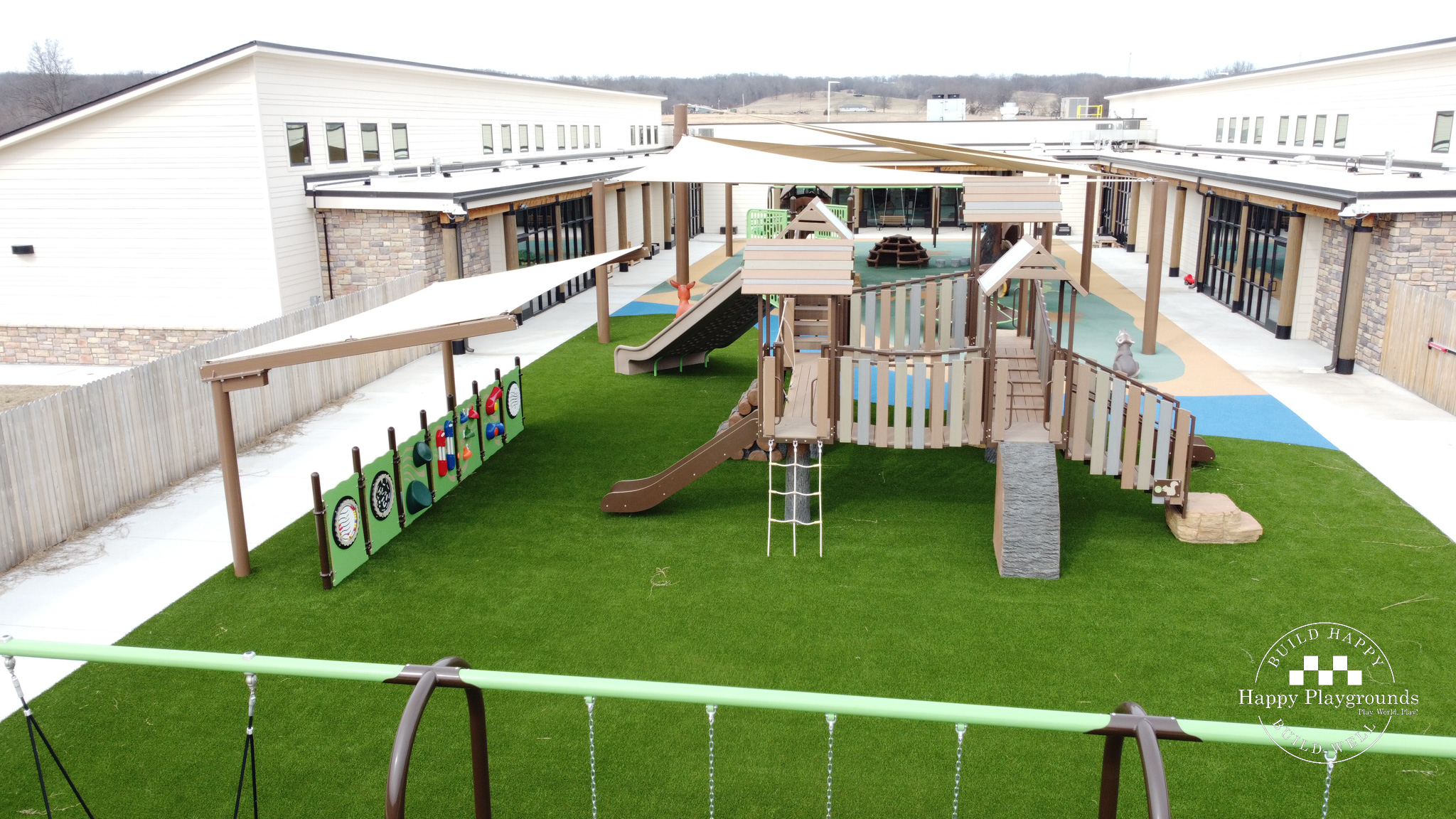
From there, it’s about how everything works together—how kids move through it, how spaces open up and compress, and how shade creates comfort without closing things in.
Every decision impacts how the space is experienced, from the first step onto the playground to the way kids naturally find their path through it.
BUILDING WITHIN CONSTRAINTS
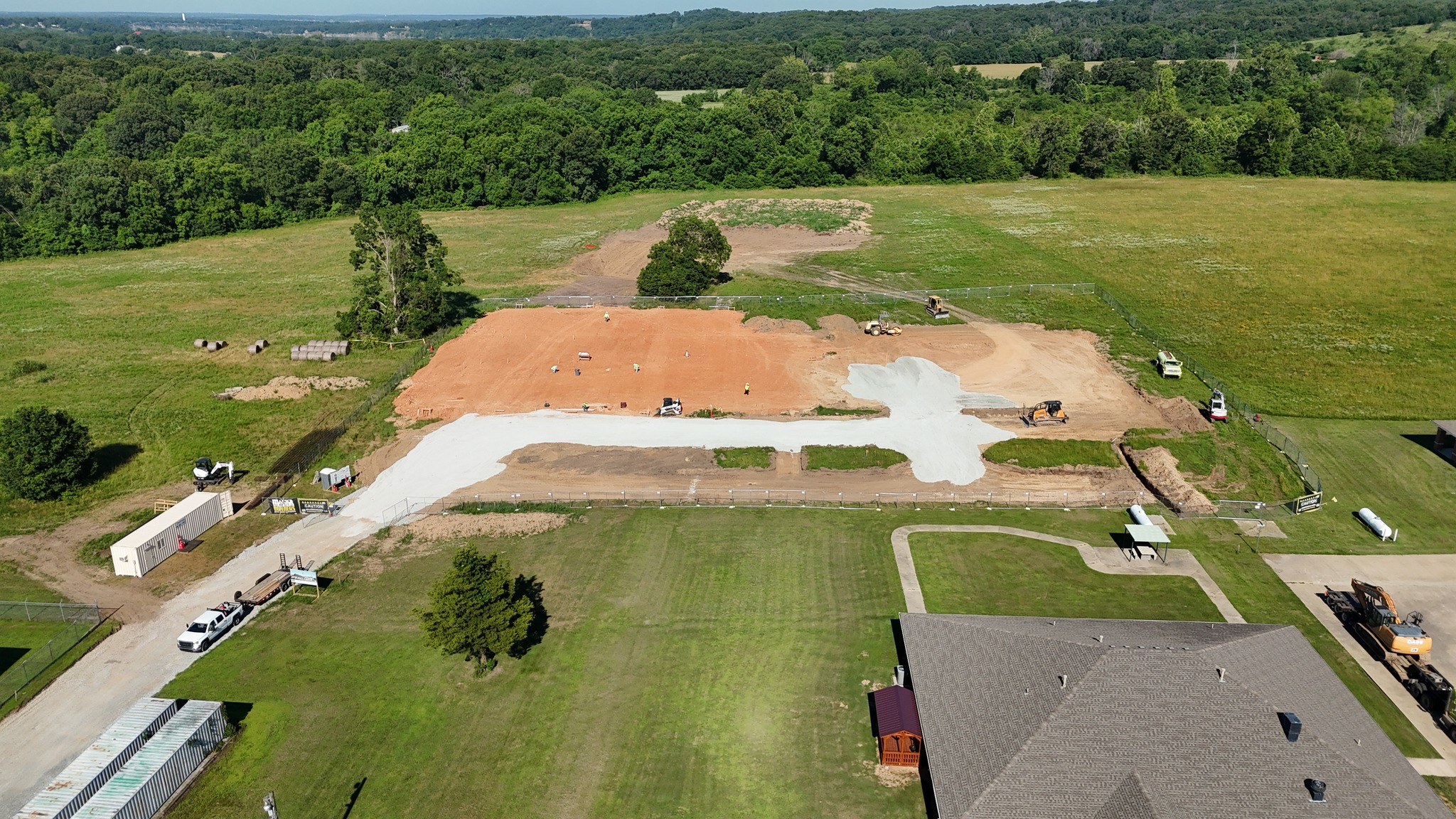
What often goes unseen is the challenge of actually bringing a design like this to life. As one of the last contractors on site, we’re working around existing conditions—drain lines, gas lines, utilities—all of which can impact both layout and constructability.
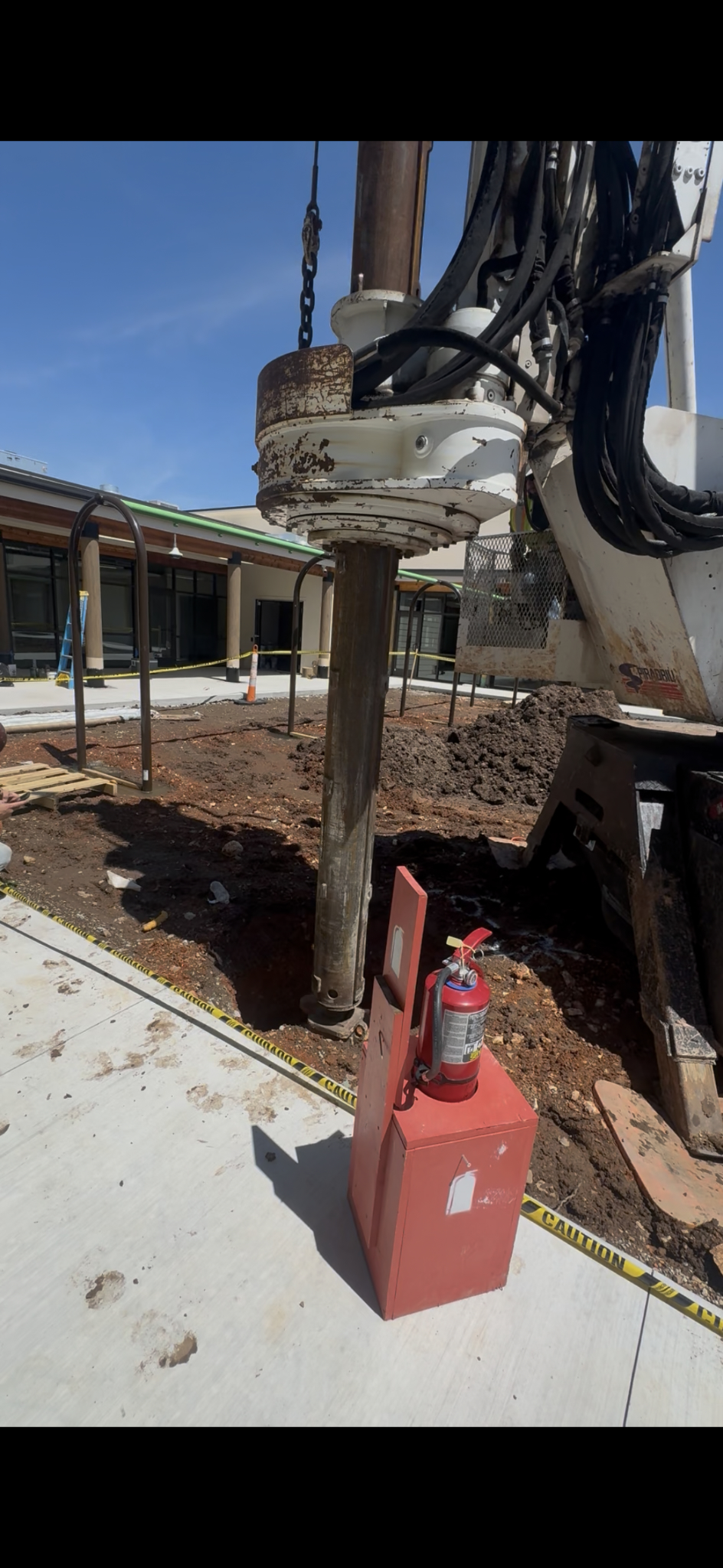
In Northeast Oklahoma, you don’t have to dig very far before you start hitting rock—usually around five feet down. The challenge is, a lot of these structures call for foundations that go much deeper than that. In some cases, we’re looking at ten-foot-deep footings.
That means we can’t just dig and set posts. We have to bring in professional core drillers to cut through solid rock and get the depth we need.
It’s one of those things you don’t see when the project is finished—but it plays a big role in what’s actually possible to design and build. Every decision has to account for what’s happening below the surface, not just what you see above it.
FROM CONCEPT TO PLACE
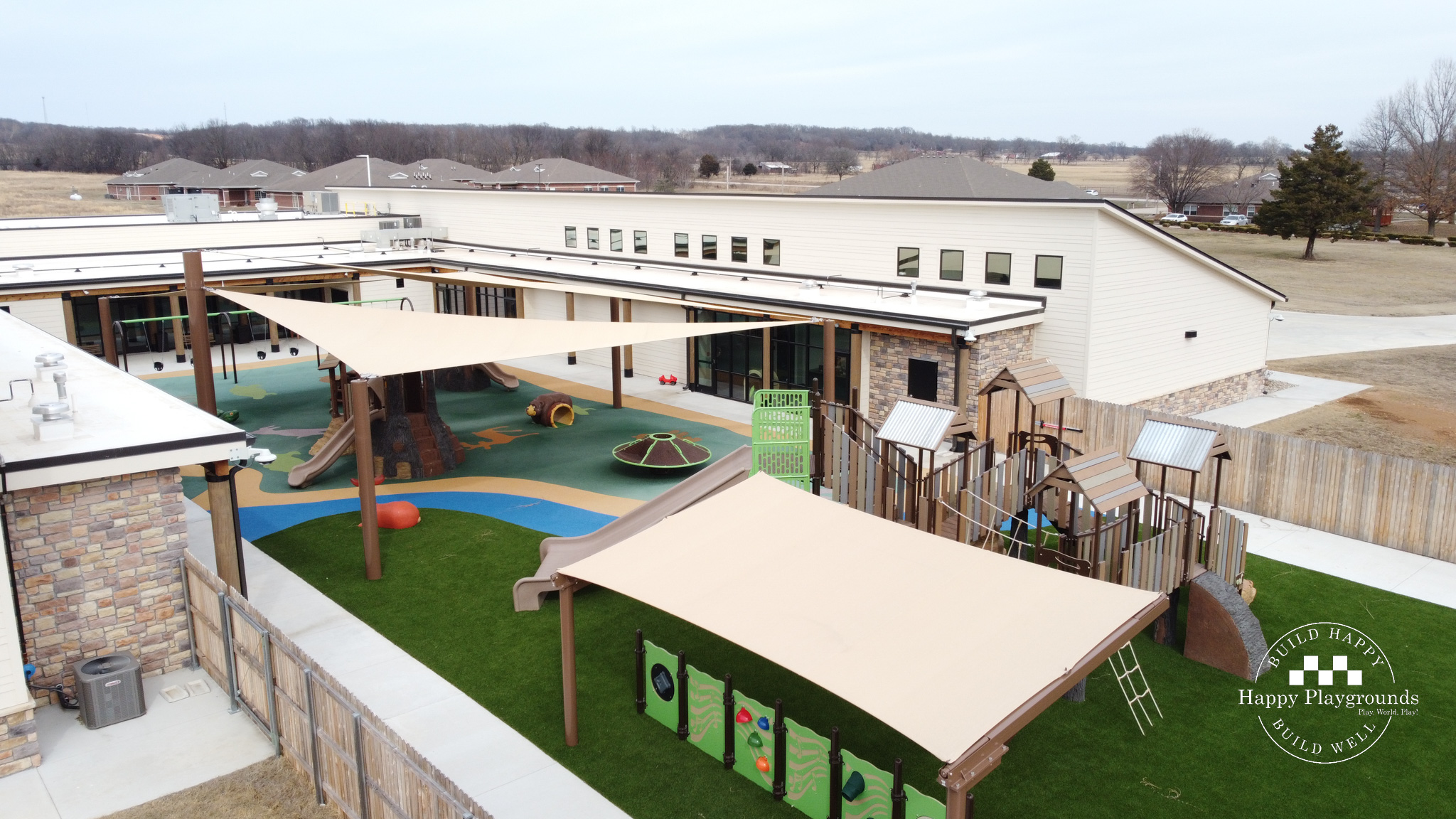
What starts as a rendering slowly becomes something real. Equipment goes in, surfacing takes shape, and the space begins to come together piece by piece.
And before long, it’s not just a design anymore—it’s a place. One that families can gather in and kids can make their own.
GETTING THE DETAILS RIGHT
These are the kinds of projects that are hardest to capture, because they aren’t about one big idea.
They’re about a hundred small decisions—each one shaping how the space looks, feels, and functions in the end. Getting those details right is what makes the difference.